Procesos

3

Cellulose

Cellulose

Industrial Complex

Our industrial complex is located in Punta Pereira, near Conchillas, in the department of Colonia. It consists of a pulp mill, a power generating unit and a port terminal.

The pulp mill uses the Kraft process to produce 1,400,000 tonnes of bleached eucalyptus pulp per year, which is exported to Europe and Asia.

This plant, which began operation in 2014, applies the Best Available Techniques in the world according to the European reference standards (IPCC-BAT).

1,100 people work at Punta Pereira daily, 99% of they are Uruguayan and 80% come from the department of Colonia.

Exportation Logistics

We export cellulose from the Punta Pereira Port Terminal, located in our industrial complex.   This terminal connects to the Martín García canal through an access canal that is 800 meters long x 200 meters wide.

With two docks, one for barges and another for oceanic vessels, it is possible to receive raw materials and supplies for pulp production, as well as to export products directly to its final destinations.

The purpose of the river dock is for unloading wood from barges coming from our Río Negro Logistics Terminal on the coast of the Uruguay River. Each barge is 90 meters long and has a cargo capacity of 5,000 tonnes - the equivalent of 170 truckloads.

International ship owners have recognized the Punta Pereira Port Terminal as one of the most efficient in the world for loading cellulose.

Pulp production process

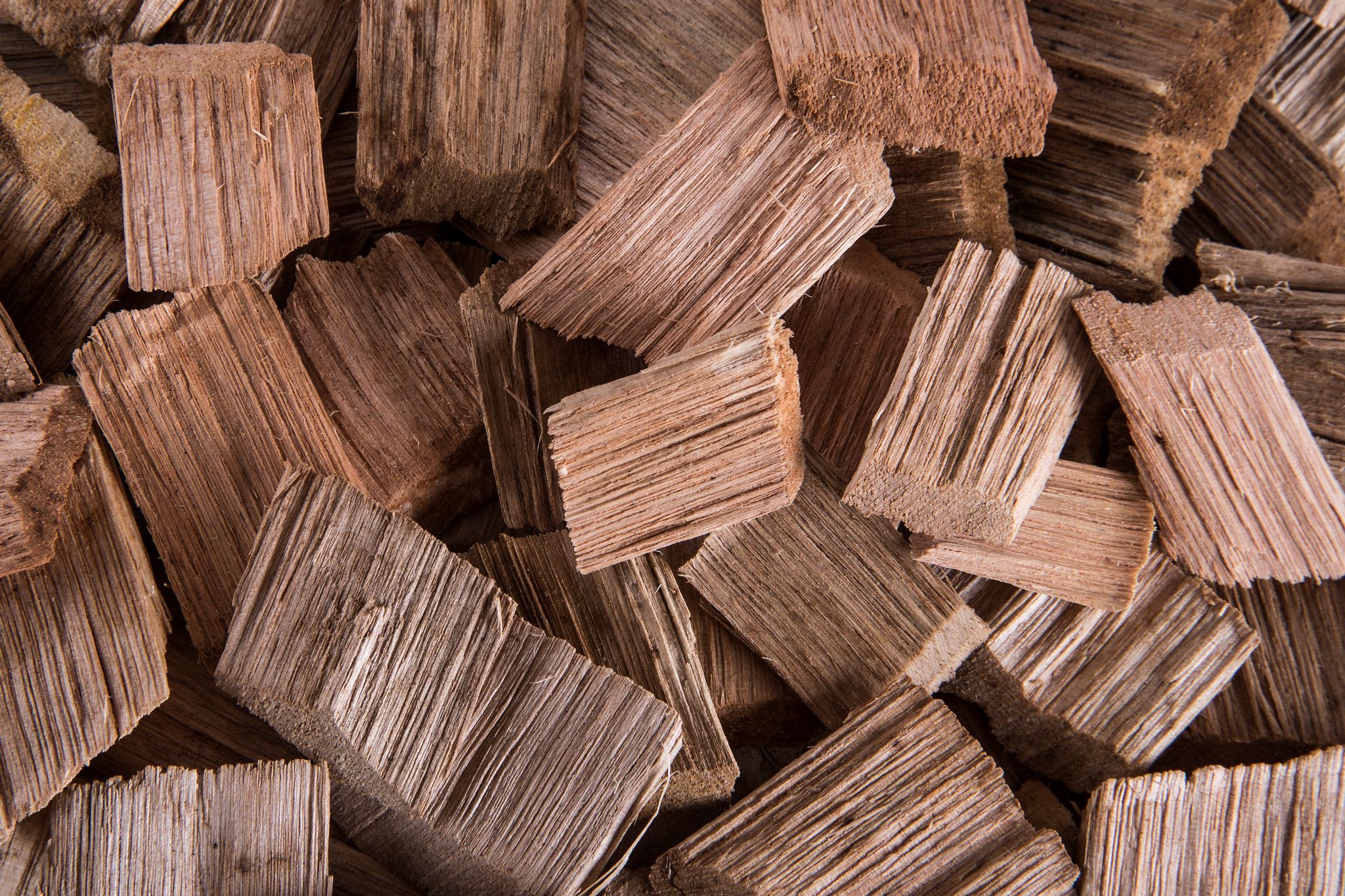
  1. Wood chipping

    Wood entering the industrial complex is converted into small pieces called chips to reduce and standardize their size and facilitate the digestion process.

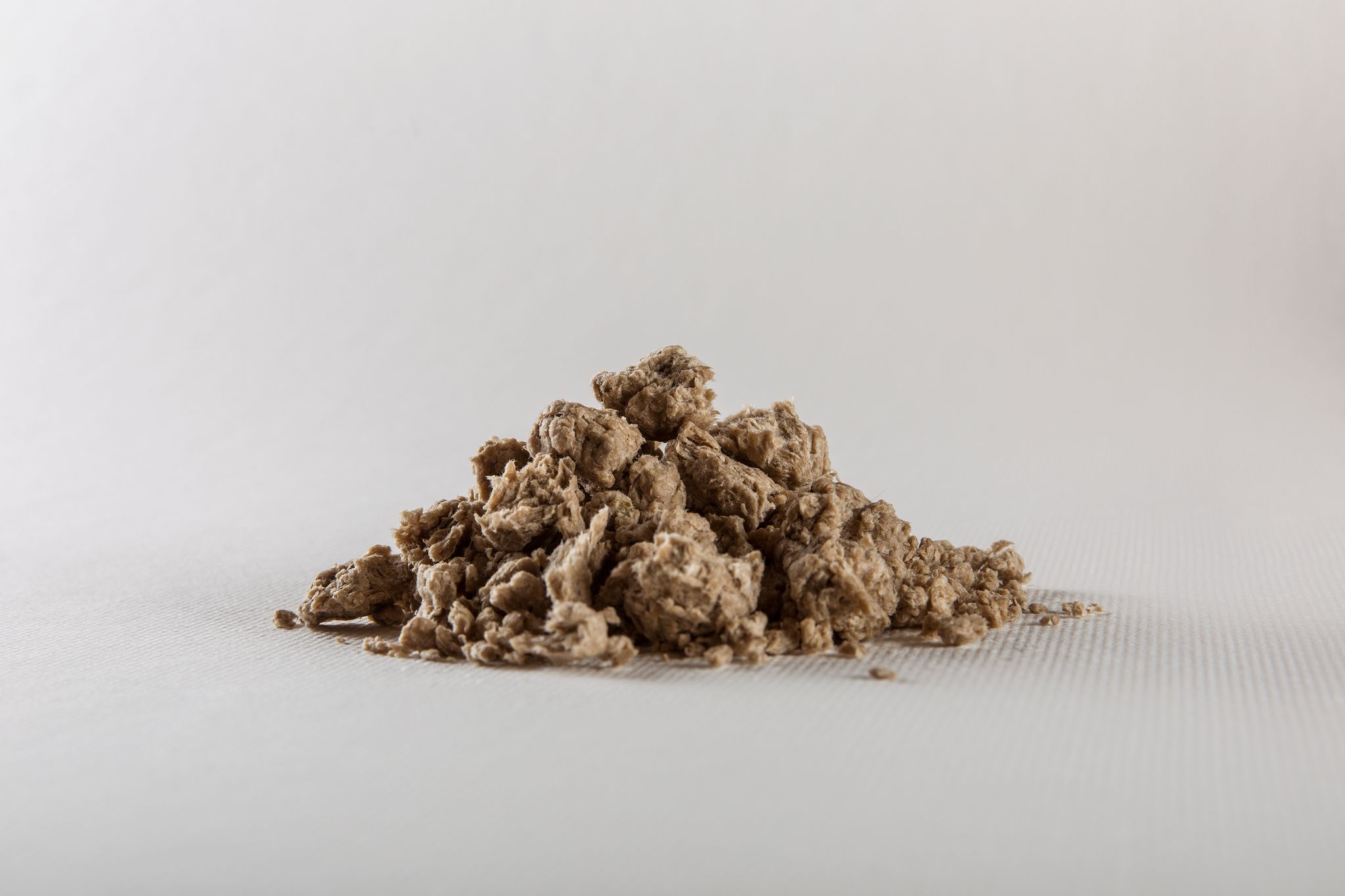
  2. Cooking

    The chips enter the digester, where a mixture of water and chemicals called white liquor is added. Cellulose fibers are separated from lignin, a high-energy value wood component, at high pressure and temperature.

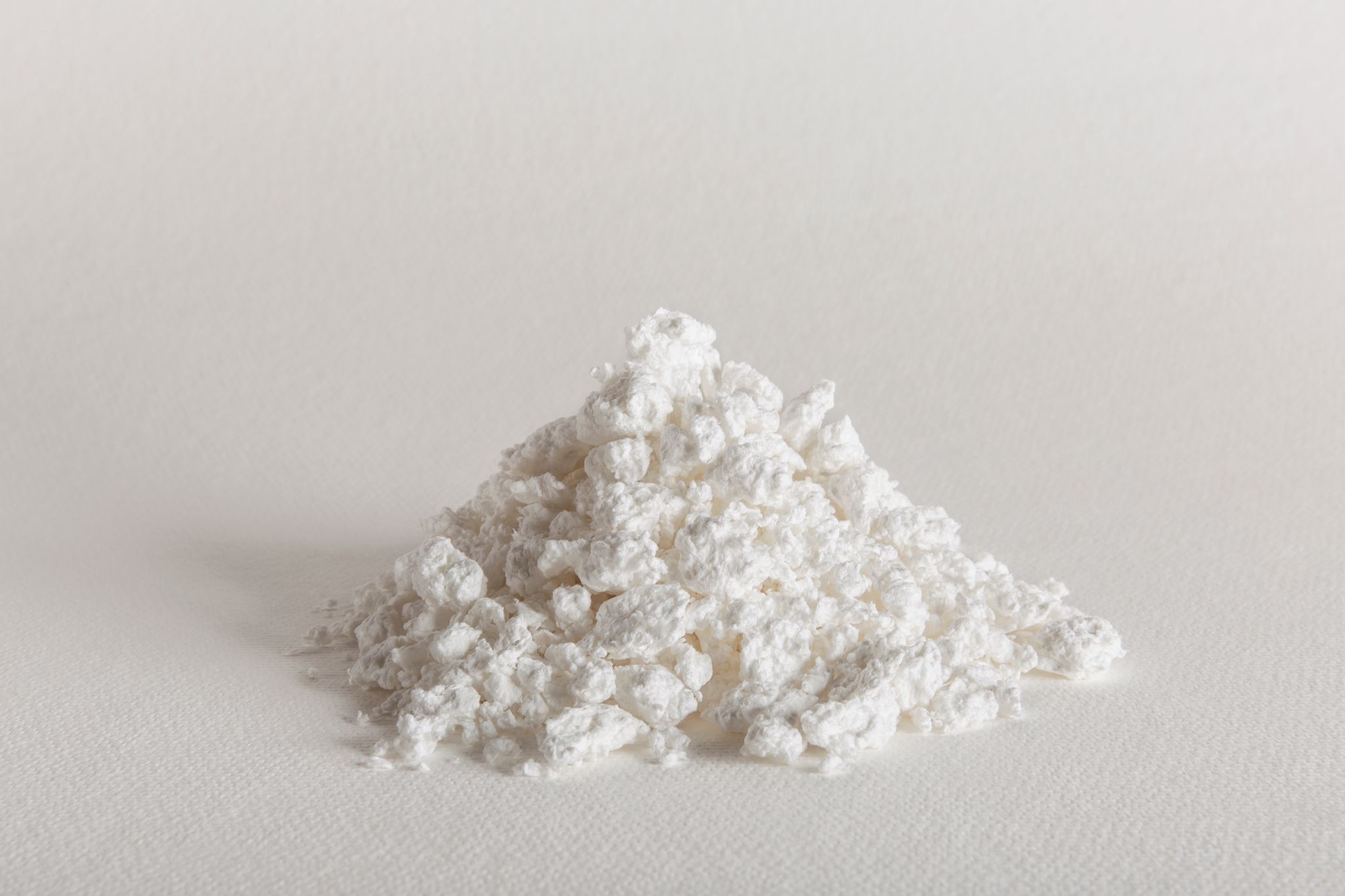
  3. Bleaching

    The pulp obtained through the cooking process, still brown colored, is filtered, washed and then bleached.
    A method commonly called ECF-light (elemental chlorine free) which uses oxygen, hydrogen peroxide and chlorine dioxide is used to obtain white pulp.

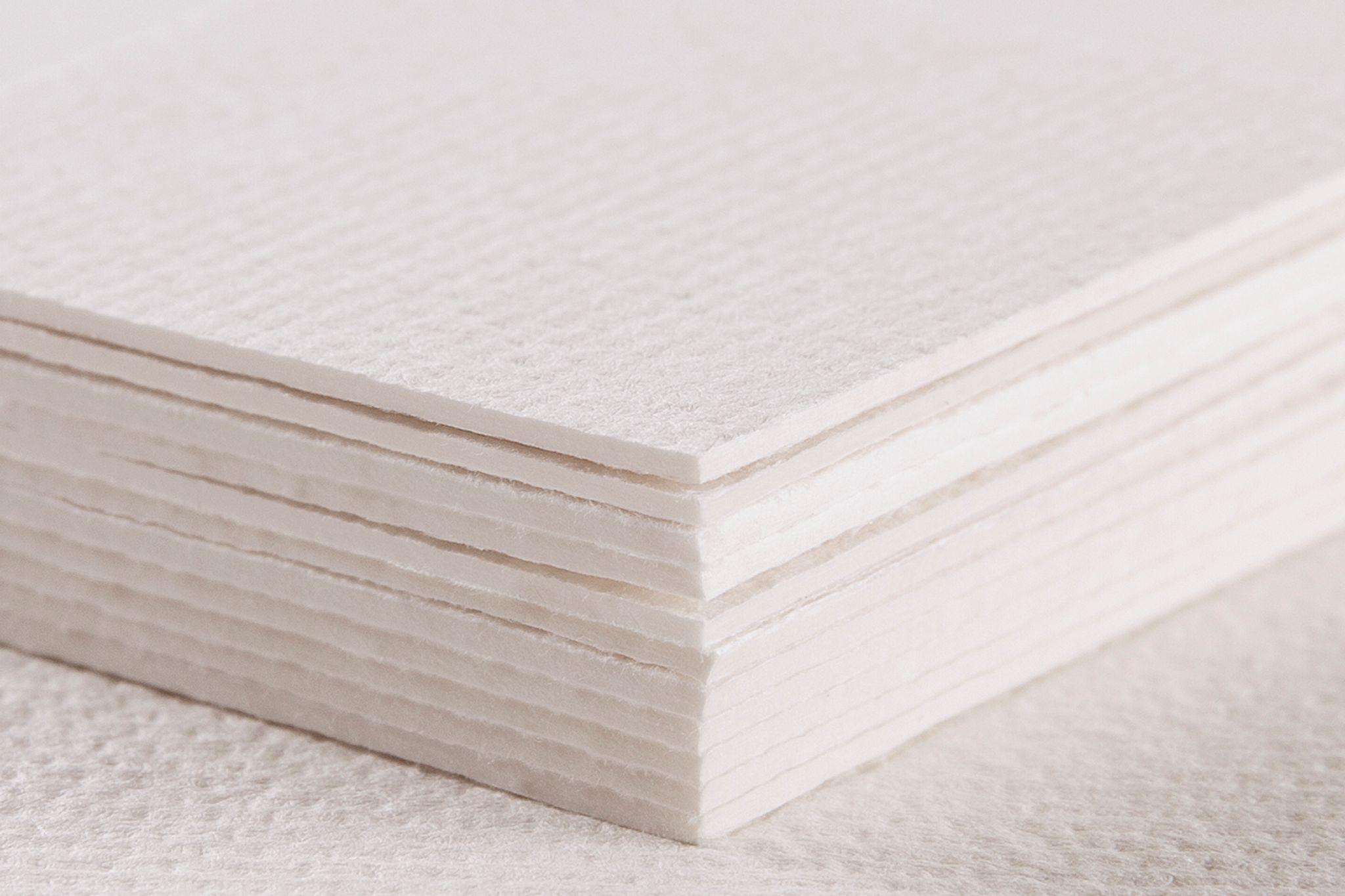
  4. Drying

    White sheets pass through dryers until the water content falls to 10%. Then they are cut, grouped in bales and packaged, ready to be shipped to their final destination.

Recovery 

In the cooking process, the white liquor -used to separate the cellulose from the rest of the wood- is mixed with organic components of the wood, turning into black liquor. Black liquor then is concentrated, its water removed in evaporators and derived to the Recovery Boiler. It is then burned to generate heat and thus, steam and electricity. The noncombustible portion of black liquor is extracted from the Recovery Boiler and treated to recompose white liquor, which reenters the process. This almost closed cycle, where energy and chemical inputs are recovered and reused, makes the Kraft process economically and environmentally viable.

Waste treatment 

In modern plants, the production incorporates processes to minimize the generation of residues or improve their quality. Most of the water used is recycled and reused, but also a part becomes steam and goes into the atmosphere, and another is returned to the river as effluent. This effluent is previously subject to physical, chemical and biological treatments in our Wastewater Treatment Plant in order to ensure the quality level required to be discharged into the Río de la Plata. Atmospheric emissions are 99% water vapor and meet the most demanding national and international environmental standards, just as liquid effluents do.

Cellulose and Its Uses

Cellulose is the main constituent of vegetable cell walls and constitutes the most abundant organic compound on the planet. 

Wood pulp produces not only different types of paper (high-quality, tissue, packaging, etc.) but also cardboard and a variety of sanitary products, such as diapers, as well. The pharmaceutical and food industries also use cellulose, and most recently as an alternative to plastic usage.

At our industrial complex, we produce short-fiber cellulose from several Eucalyptus species.

Learn more about the uses of wood:


4

Energy

Energy

Clean and renewable energy

Montes del Plata is the largest private power generator in Uruguay, the third largest producer after the hydroelectric stations of Salto Grande and Palmar (Constitución). It injects 5% aprox of the domestic energy consumption into the national power grid, while the rest is consumed in internal mill operations.

The extracted pulp from the wood leaves high-quality hemicellulose and lignin residue with high energy content. This renewable and clean energy resource is sufficient to power the entire industrial complex as well as to generate an energy surplus, which we transfer to the national electric grid.


See the Academy\'s 2025 Report

Contacts

Work With Us

At Montes del Plata, we offer quality employment and prioritize local labor for our businesses, both forestry and industrial. Learn more

Visits to the Industrial Complex

Days and times

Visits from educational centers and organizations (with their own bus): Every Thursday at 9:00, 10:30, 14:00 and 15:30.
Approximate duration: 1 hour. Visits begin at the Montes del Plata Office in Conchillas (David Evans Street s/n).

Schedule a visit

Contact us by phone: (+598) 4577 2832 or by email: visitas@montesdelplata.com.uy. You can also register at the Montes del Plata office in Conchillas from Monday to Friday from 9:00 a.m. to 5:00 p.m.

Conditions

  • Visits are subject to company availability.
  • The Industrial Complex reserves the right to cancel visits up to one hour before the scheduled visit.
  • Once the date of the visit has been booked, groups must send visitor information and vehicle documentation.
  • All visitors must present a valid original identity card or passport for entry to the Industrial Complex, regardless of whether the document number has been previously submitted.
  • Student groups are accepted from the third year of school onwards.
  • It is not permitted to get off the bike or take photographs or record videos during the tour of the Industrial Complex.

Visits to the M’Bopicuá Biopark

The M’Bopicuá Biopark has been adapted to receive visits from educational institutions, primarily schools and high schools. These visits are guided by trained staff and are restricted to the months of March through August to avoid disrupting the species' reproduction.

The guided tour comprises three areas: the wildlife breeding station, an interpretive trail of the native forest, and the ruins of the “M`Bopicuá Saltworks” dating from the 19th century.

For inquiries and registration: contacto_bioparque@montesdelplata.com.uy.

Our offices

  • Colonia 

    Conchillas: Calle Evans s/n - Tel: +598 45772832

    Punta Pereira Industrial Plant Tel: +598 45775000

  • Montevideo 

    Luis Alberto de Herrera 1248, World Trade Center Complex, Tower 3, 9th Floor. Tel: +598 26236300

  • Durazno 

    Artigas 369 Tel: +598 43620853 

  • Paysandú 

    Av. España 1552. Tel.: +598 47227575

  • Río Negro 

    Montes del Plata Nursery - Route 24 Km 0. Tel.: +598 4562 7523

    Logistics Terminal - Route 24 Km 0. Tel: +598 45627000

    Forestry Technology Center - Route 24 Km 0. Tel +598 45631037

Work With Us

Montes del Plata te escucha