16 July, 2026
The Fiber That Moves Us: Art and Cellulose at the Plaza de Toros
A new perspective on cellulose comes to the Plaza de Toros in Colonia. Diego Bianki's work joins the space's permanent offering and invites visitors to discover this material through art.
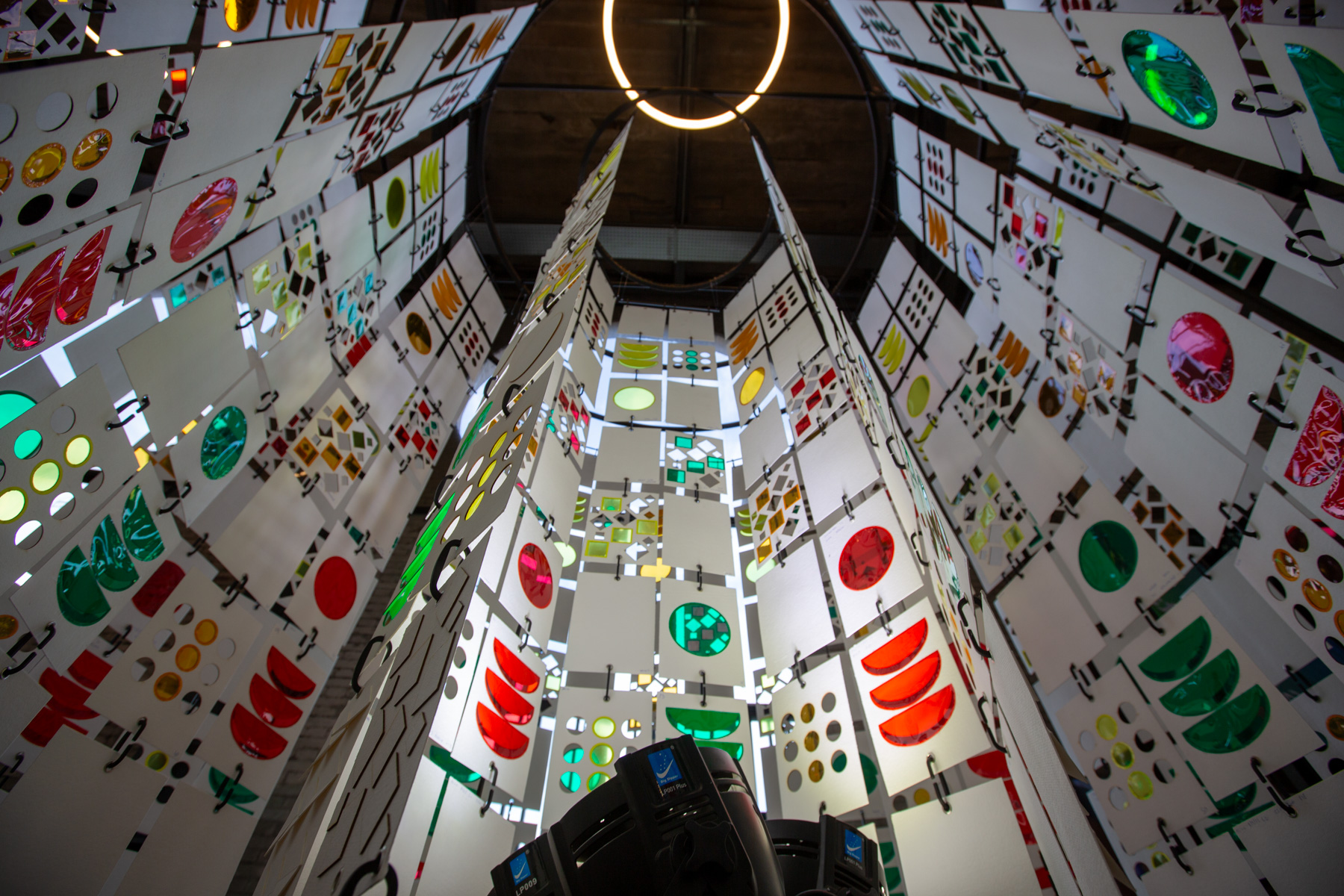
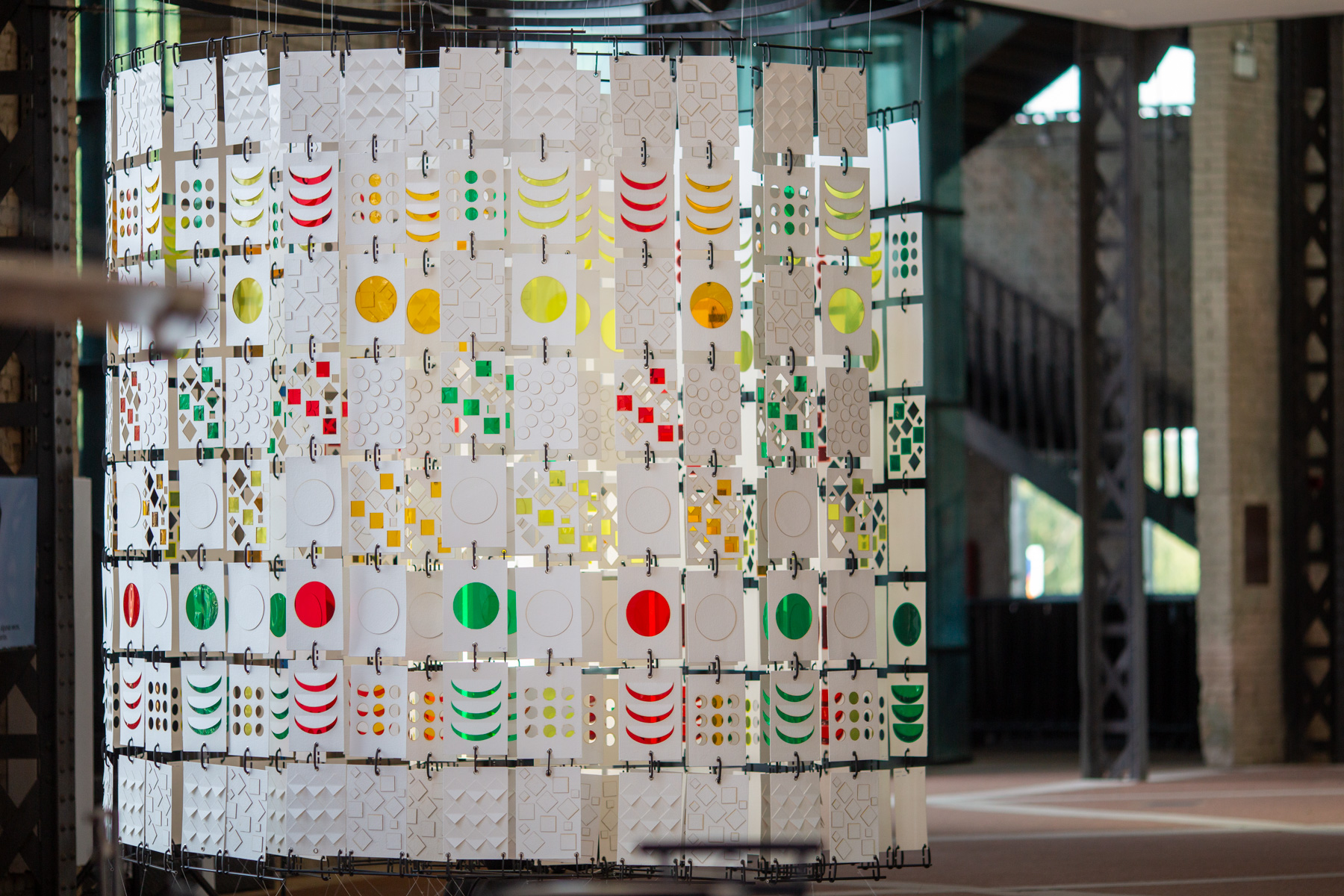
We inaugurated at the Plaza de Toros Real de San Carlos the artistic intervention "The Fiber That Moves Us. Cellulose: From the Invisible to the Everyday", a work created especially by Colonia-based artist Diego Bianki to bring cellulose closer to the public from a cultural, material, and everyday perspective.
The piece becomes part of the permanent offering of the Plaza de Toros, one of Colonia's main tourist attractions, and seeks to create a new opportunity for residents and visitors to learn about cellulose — a product present in numerous everyday uses and one of Uruguay's main export goods.
Through this intervention, we transform a material that is one of the country's leading export sectors into an artistic experience open to the community. With this work, we seek to present wood fiber from a tangible and accessible perspective, connecting art, industry, innovation, and territory.
During the inauguration, Carolina Moreira, Senior Manager of Sustainability and Communications at Montes del Plata, noted that this initiative reflects our commitment to creating new spaces for community engagement and communicating, through accessible formats, the uses and value of cellulose.
Diego Bianki shared the creative process behind the work and the inspiration driving an intervention that invites the public to discover cellulose from a different perspective. His proposal explores the aesthetic and symbolic possibilities of wood fiber, showing how a material associated with industry can also become an artistic expression.
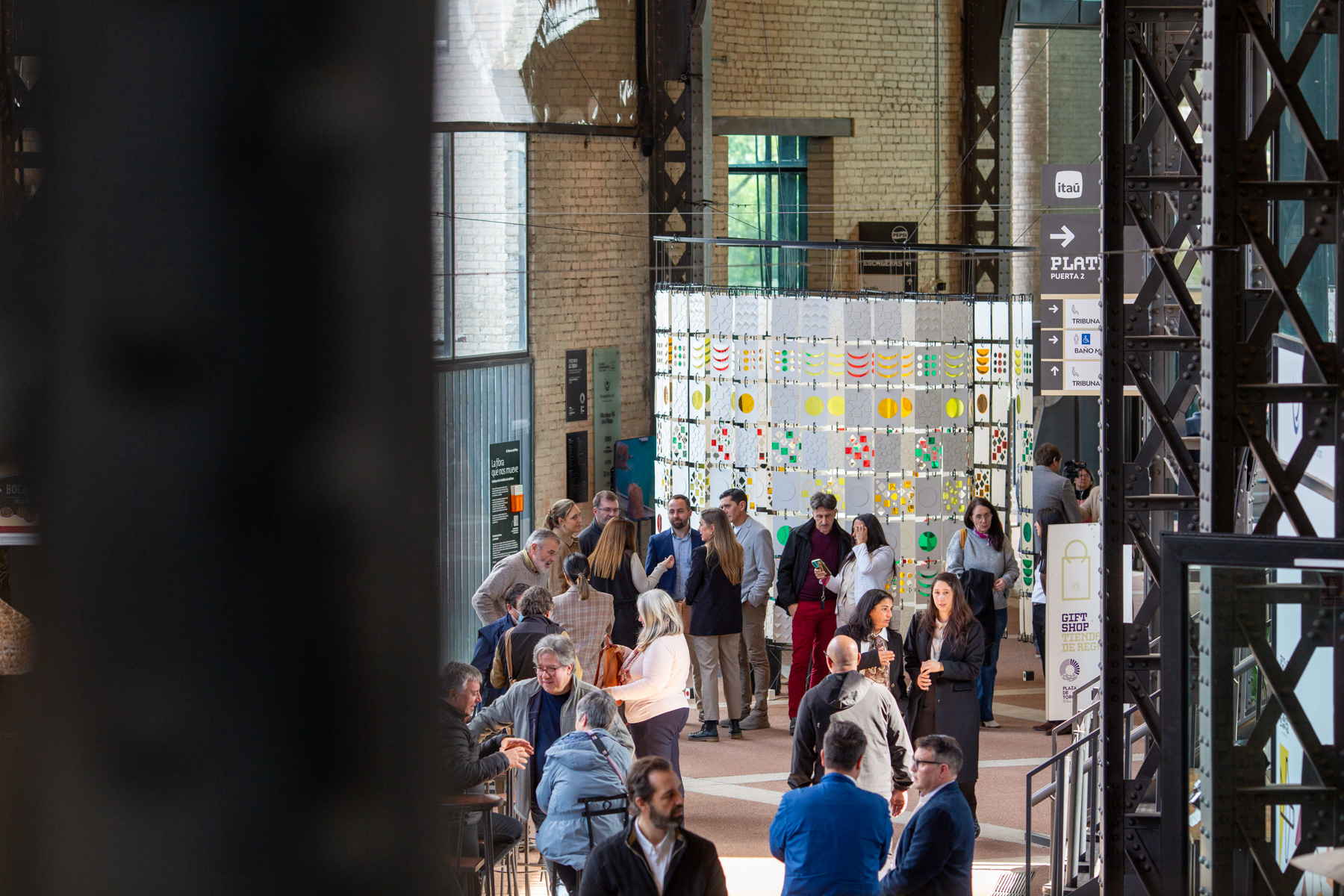
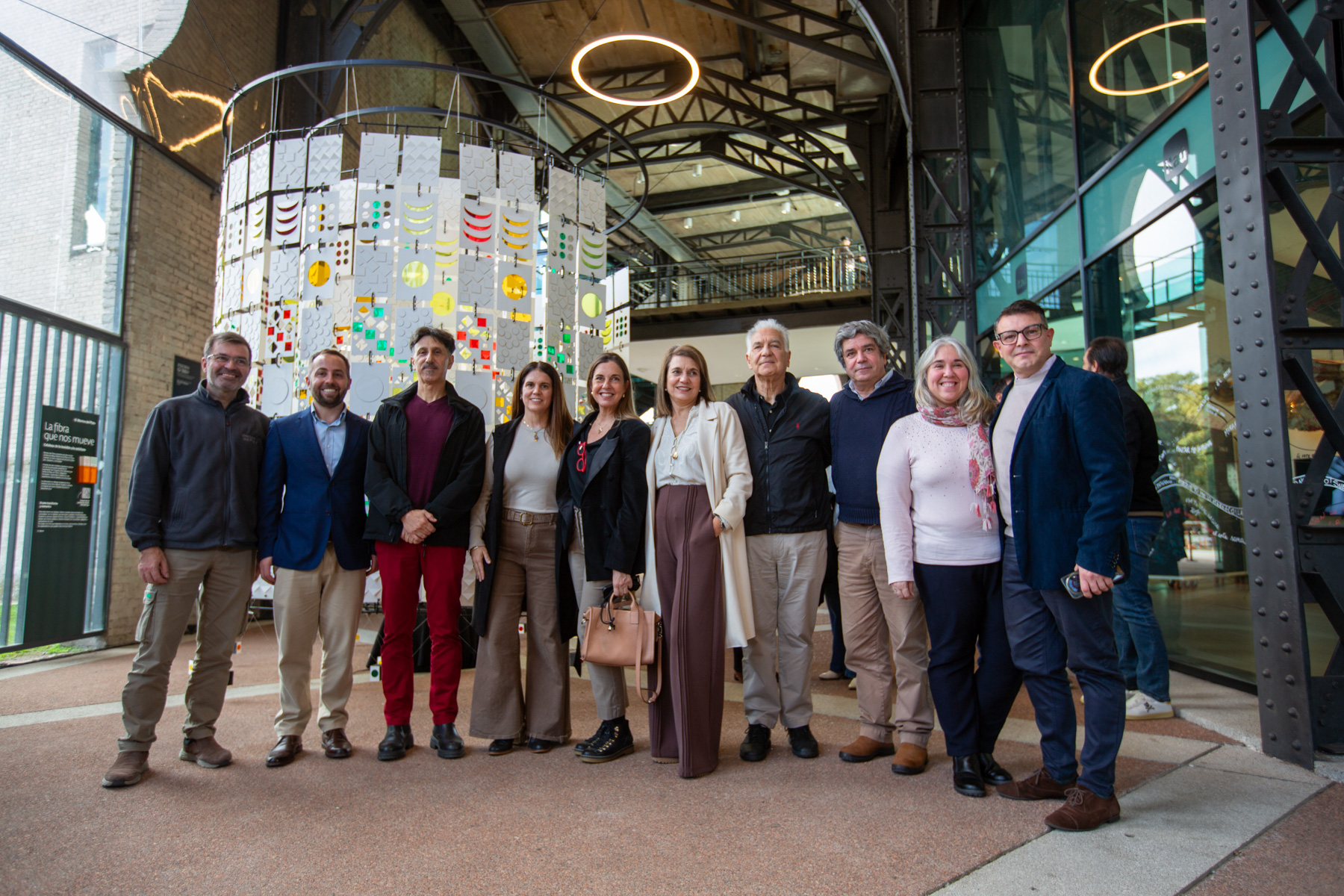
The inauguration was attended by national and departmental authorities, representatives of the Plaza de Toros, cultural figures, and special guests, who joined in the official unveiling of the work.
With this intervention, we add a new proposal to Colonia's tourist and cultural circuit and bring the public closer to one of the central products of Uruguay's forestry-industrial activity through an artistic experience open to the community.